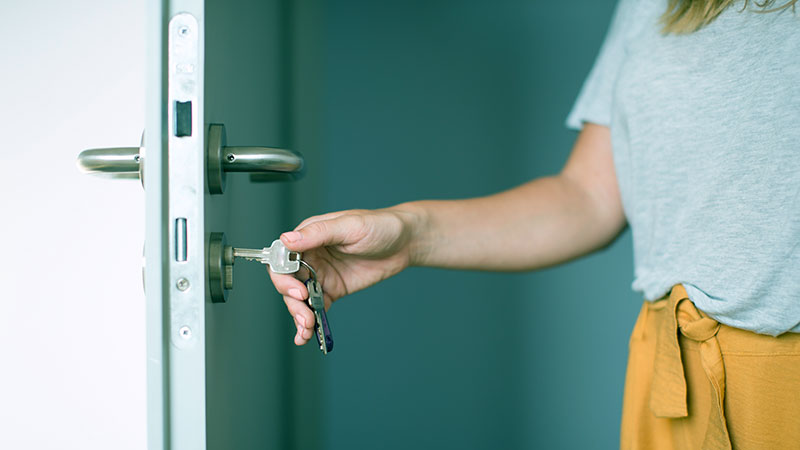
For many students, starting University is also the first time away from home living independently. For others, it will be their first time living in Edinburgh or experiencing student life. Both the city of Edinburgh and Edinburgh Napier University are safe places to live and study however, there are some additional things that you can consider to help you feel safe and minimise risks.
Covered on this page:
Out & About
Get Home Safe
-
Look after your friends. Where possible, go out as part of a group if you are out late at night or intend to drink alcohol.
-
Plan your route home, and ideally a backup option, before heading on a night out.
-
If you are planning to walk, try and arrange to do so with a group and pick a well-lit, busy route that is away from hazards such as canals or roads without proper pavements.
-
You can book a taxi, which is often a cheaper option if you are in a group, and make sure to use a licensed company. If you are using Uber, be aware that it can be busy or unavailable at peak times, and make the most of the in-app safety features.
-
If you are getting the bus or tram, make sure you know when the last bus is and what your options are if you miss it.
-
Hollie Guard and Walksafe are apps that use GPS to track you when you walk home. They can be set up to share your location with friends/family and will notify them if you don't check in/reach your destination.
-
If you are feeling unsafe as you return to, or arrive at, campus or Edinburgh Napier Student Accommodation you can use the SafeZone app to notify Security if you ever feel in danger. The zone that can be checked by staff includes a buffer area that covers a large area between the Merchiston campus and Dalry, and key walking routes from public transport to Craiglockhart and Sighthill.
-
Strut Safe which is a UK-wide phone line. If you're walking alone, Thursday-Sunday you can call and their volunteers will be a friendly voice to keep you company and help you feel safe until you have reached your destination. Their number is 0333 335 0026 and they are open from 7pm until the early hours (times on their website).
Drugs and Alcohol
-
Drinking can lower your inhibitions and result in decisions which can be embarrassing, destructive or even dangerous. If you find yourself upset or hurt by your behaviour after drinking, it might be a sign to cut down or take a break from alcohol.
-
Drinking within the recommended amounts, or staying sober, can help you to save money, improve your physical and mental health, engage better with studies and work, improve your relationships, and often have a better relationship with going out.
-
Always be mindful of your drinks whilst on a night out and do not ever leave a drink unattended.
-
“Spiking” is when someone is given alcohol or drugs without their consent. Being spiked is never the fault of the victim. Often we think of spiking as the adding of drugs to a drink, and more recently spiking by injection, however spiking can also take the form of things like giving someone a different drug to the one they consented to taking or adding additional alcohol to drinks.
-
Spiking may be for malicious purposes (e.g., to cause fear or make someone more vulnerable to another crime, particularly sexual assault) or non-malicious but equally dangerous purposes (e.g., to make someone have “more fun”).
-
If you feel unwell or disoriented and think that you might have been spiked, tell a trusted friend and ask them to get you home safely, or ask the bar manager/staff for help. If you are in immediate danger, call 999 and ask for the police. You can report any instances to the university via Report & Support.
-
If you use drugs, make sure that you are informed about their impacts, risks, and ways to help keep yourself safe. Crew 2000 is a drug information and advice service that provides support to anyone using drugs
If alcohol or drugs are having an impact on your wellbeing, enjoyment, relationships, or your ability to manage your work, finances or obligations you can seek support via these resources:
Ask for Angela Scheme
This is a national scheme that many establishments (pubs, bars and clubs) have signed up to. If the place you're in has signed up, there will likely be a poster or leaflet behind the bar or in the toilets.
If you feel unsafe or uncomfortable when out, you can reach out to staff and ask to see or speak to Angela. As trained members of staff they will help to remove you from that situation, for example, by escorting you to the exit or providing an alternative exit to leave from. You can read more about the scheme here.
Remember, not all places are members of this scheme, but it should be advertised if they are.
Reporting a Crime
Emergencies
he emergency services: Police / Ambulance / Fire Service / Coastguard can be contacted by dialing “999” – but make sure you only use this number in a genuine emergency – e.g. when you or someone else is in danger and requires immediate attention, or while a crime is in progress.
If you need to report a crime in a non-emergency situation you should call the local police by dialing “101". You can call 101 to report a crime that has already happened, seek crime prevention advice or make the Police aware of any issues in your local area.
Report and Support
The University delivers a Report and Support service. You can contact them if you have experienced sexual violence, harassment, misconduct or any form of hate crime.
Victim of Rape or Sexual Assault
-
If referring yourself, a forensic medical examination can be requested, without involving the police. Forensic evidence would be collected which can be kept for up to 26 months, in case you want to tell the police at a later date.
For more information please see the SARCS Toolkit or this page on NHS Inform.
Beware of Scams
Never tell anyone (including the Police) your PIN number or passwords, and don’t give this information to any person or organisation in response to an e-mail. There are loads of scammers out there, so be wary. Don’t provide your address or details to people you are unsure about and, if possible, shred documents once you are done with them.
Check out Police Scotland's Scam Checklist, Online Safety Guides (English version, Chinese version) and Little Book of Phone Scams.
SafeZone
SafeZone is the University's safety app, linked to its security team. It can be used 24/7 on campus and at ENU accommodation sites, and covers the area immediately around university buildings too. The app lets you check in with security when studying alone on campus, call for help with a safety or first aid concern, access wellbeing services, be alerted to campus incidents and more!
Students can use the app to report any non-emergency harassment/abuse. They can also call for a first aider when on campus through the app. Find out more on MyNapier.
✓
Thank you!
Your anonymous vote has been recorded.
Thanks for giving your opinion and contributing to the student voice. Look out for another question next week!